Sunday, February 28, 2010

where am i?

They are sites that have a general relation of direct or inverted analogy with the real space of Society. They present society itself in a perfected form, or else society turned upside down, but in any case these utopias are fundamentally unreal spaces.

*The capitalization of society in this passage heightens its value and attracts the eye. It grants the society a sense of empowerment and forms the crucial bond between the society and the utopia, for a utopia can only exist in relation to a society. Different societies might have different conceptions of utopias. One society itself might have multiple utopias within. And yet, Foucault underlines the common binding theme that stretches across all the differences: the unreality of them all. They cannot exist. The mention of perfection further serves the point, as is perfection a quality that is ever attainable? The juxtaposition of society of perfection with a society that is "upside down" fortifies this idea of the unreachable since a completely anarchistic or "crazy" society that doesn't adhere to prescribed rules seems more ridiculous than a completely perfect society. ???

wha a i

First there are the utopias. Utopias are sites with no real place.

*Again, Foucault engages us with a term we are familiar with and most of us would claim to know very well. The usage of “first” here suggests that we are going to be facing a drop down explanation that will span several items. He also says “the utopias”, instead of “utopias”, which might be a play on the unattainablity of utopias. By providing his explanation of what a utopia is, Foucault also challenges the reader’s knowledge and preconceptions about the term itself. From experience, I know that most people would think of utopias to be lands where everything is perfect, which does reside in the definition of a utopia, but is not an all-encompassing definition.

what am i?

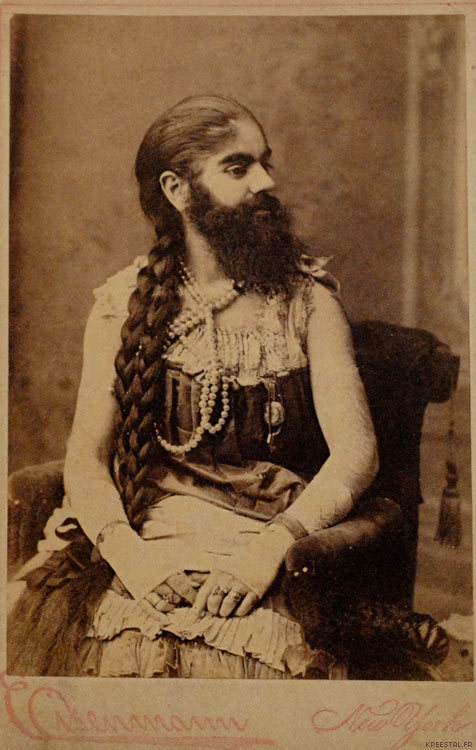
HETEROTOPIAS

*Although Foucault is introducing a new concept, the title and the name of the concept resonates with the reader, simply due to the reader’s familiarity of the constituents of the word. Hetero: other, different. Topia: place. Other place. This also echoes the essay’s title “Of Other Spaces” and emphasizes the idea of “the other”. But what is “the other?” It only serves to provoke thought before Foucault dives into explanation.

Saturday, February 27, 2010